
CNC Router Buyer's Resource
Find the best CNC router for your application
With so many sizes, brands, and price points, choosing a CNC router can feel overwhelming. We cut through the noise — clear guides on what actually matters for the parts you make, the materials you cut, and the production you need.
What is the best CNC router?
The best CNC router depends on the material you need to cut, your workpiece size, production volume, spindle requirements, workholding, accuracy, software, support, and budget. There is no single machine that is best for everyone — the sections below help you narrow it down to the machine that fits your work.
// By application
Find the best CNC router by application
Different work demands different combinations of rigidity, table size, spindle power, workholding, and software. Start with what you make.
 01
01Best CNC Router for Cabinet Making
Nest cabinet boxes, doors, and drawer parts straight from full sheets. Why production shops standardize on 4×8 and 5×10 tables with vacuum workholding.
Read the guide 02
02Best CNC Router for Sign Making
One machine for HDU, acrylic, PVC, ACM, and wood — dimensional signs, V-carved lettering, and channel-letter components.
Read the guide 03
03Best CNC Router for Woodworking
From craft projects to production millwork: cutting, boring, engraving, and 3D carving reproduced consistently from a digital design.
Read the guide 04
04Best CNC Router for Furniture Making
Curved parts, mortises, pockets, and decorative profiles — especially valuable when the same component must be reproduced accurately many times.
Read the guide 05
05Best CNC Router for Guitar Making
Bodies, necks, fretboards, inlays, and templates machined to luthier tolerances in tonewoods and hardwoods.
Read the guide 06
06Best CNC Router for Exhibits, Displays & Props
Trade show exhibits, retail displays, POP displays, props and 3D sets from wood, foam, acrylic, ACM, plastics and aluminum.
Read the guide// Quick reference
What size CNC router do you need?
Size the machine to the largest material or part you regularly process. This table pairs common applications with the machine class that typically fits.
| Application | Recommended machine class | What matters most |
|---|---|---|
| Cabinet making | 4×8 or 5×10 production CNC | Vacuum table, rigid frame, production spindle |
| Sign making | 4×8 multi-material CNC | Versatile spindle, vacuum workholding |
| Woodworking | Desktop through 5×10 | Depends on project size and volume |
| Furniture making | 4×8 or 5×10 | Nesting, hardwood capability |
| Aluminum & non-ferrous | Rigid production CNC | Rigidity, workholding, tooling |
| Hobby & crafts | Desktop / benchtop | Affordability, simplicity |
Want the full breakdown of table sizes, from desktop machines to large-format systems? Compare CNC router sizes.
// Buying process
How do you choose the best CNC router?
Ignore the temptation to compare machines on one spec or price alone. Evaluate the whole system — starting with four questions.
What are you making?
Cabinets, signs, furniture, instruments, or one-off projects — the application drives every other decision.
Browse by applicationWhat materials will you cut?
Wood, plastics, foam, and aluminum place very different demands on rigidity, spindle, and tooling.
Compare materialsWhat's your largest part or sheet?
Choose a working envelope that handles your normal material without limiting future production.
Compare CNC router sizesHobby or production?
A weekend-project machine doesn't need the construction of a router running every day in a commercial shop.
Estimate cost & payback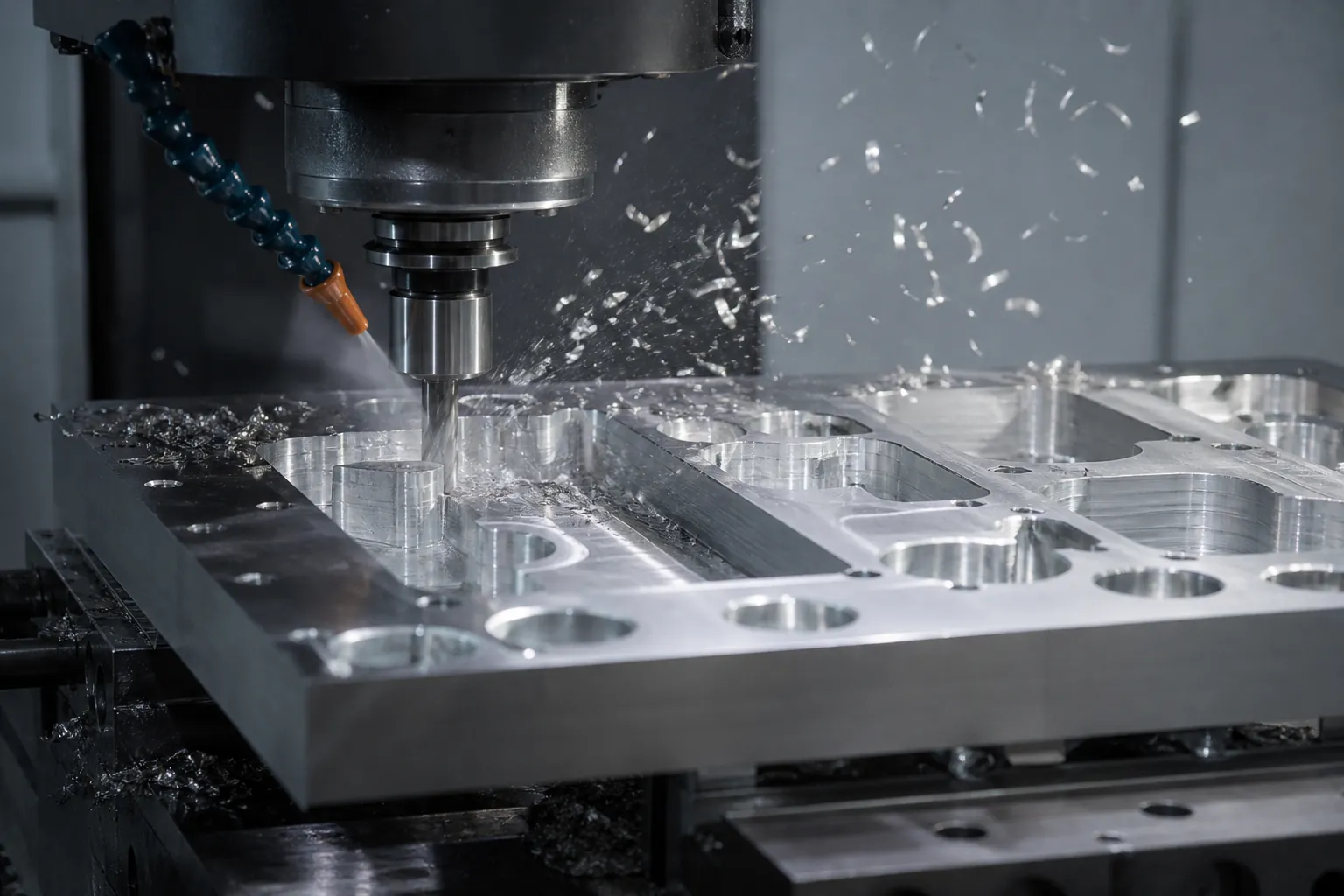
// By material
What materials can a CNC router cut?
Wood, plastics, foam, composites — and with the right machine and setup, aluminum. Not sure what machine you need? Start with what you need to cut.
// Next step
Ready to find your machine?
Start with table size, then match spindle, workholding, and rigidity to the parts you cut every day.